When Your Infrastructure Outgrows You
Every successful system eventually outgrows the decisions that built it. Recognizing the signs early and modernizing intentionally is the difference between evolution and crisis.
Thoughts on systems architecture, reliability engineering, and building resilient infrastructure.
Every successful system eventually outgrows the decisions that built it. Recognizing the signs early and modernizing intentionally is the difference between evolution and crisis.
Configuration drift doesn't happen because of bad engineers. It happens because systems without enforcement will always diverge from their intended state.
Service level objectives only matter if they drive decisions. If your SLOs don't influence engineering priorities, they're just numbers on a screen.
Internal platforms fail when they're treated as infrastructure projects. The teams that succeed treat their platform like a product — with users, feedback loops, and roadmaps.
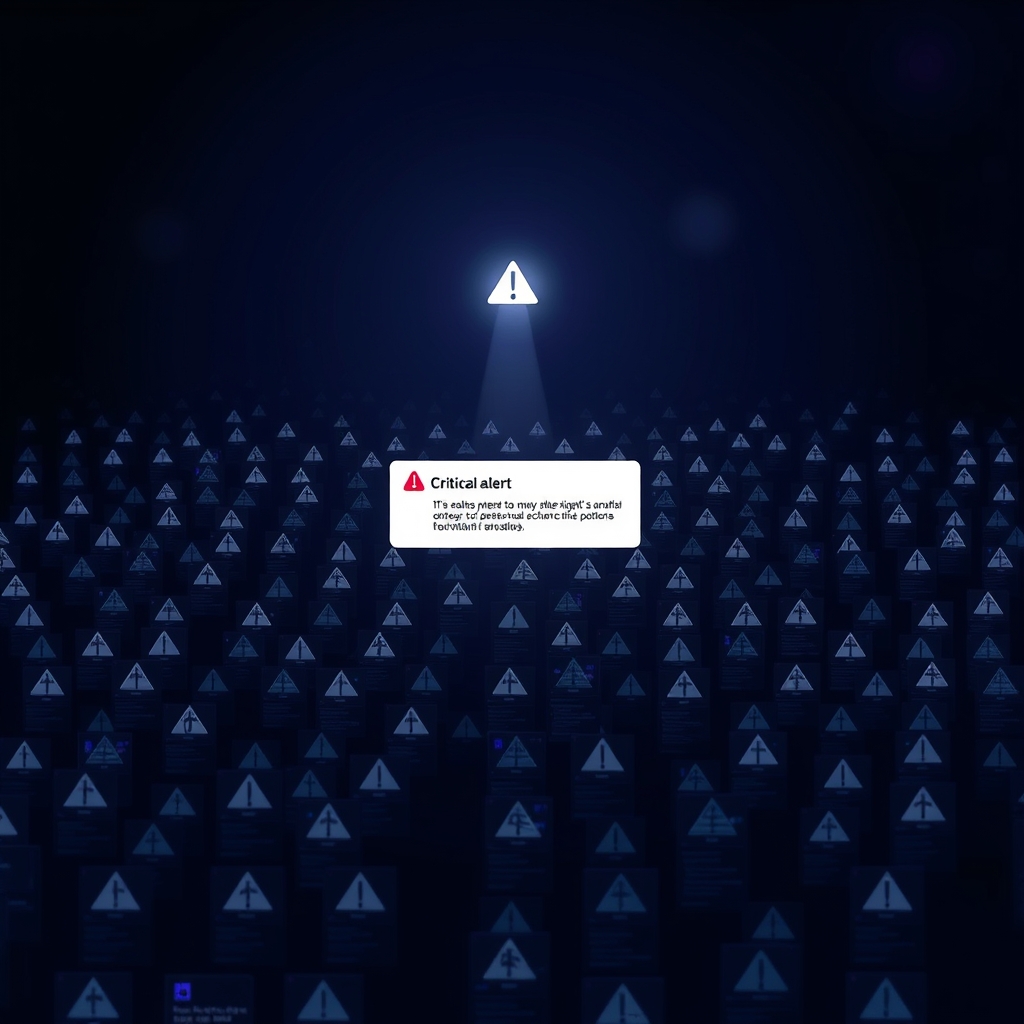
Most teams drown in alerts because they've never defined what an incident actually is. The distinction between noise and signal is the foundation of a sane operational practice.
Chaos engineering isn't about randomly destroying production. It's disciplined experimentation with a hypothesis, controls, and blast radius — science, not sabotage.
Feature flags aren't just a development convenience. They're a deployment safety mechanism, an incident response tool, and a release management strategy — if you treat them with the rigor they deserve.
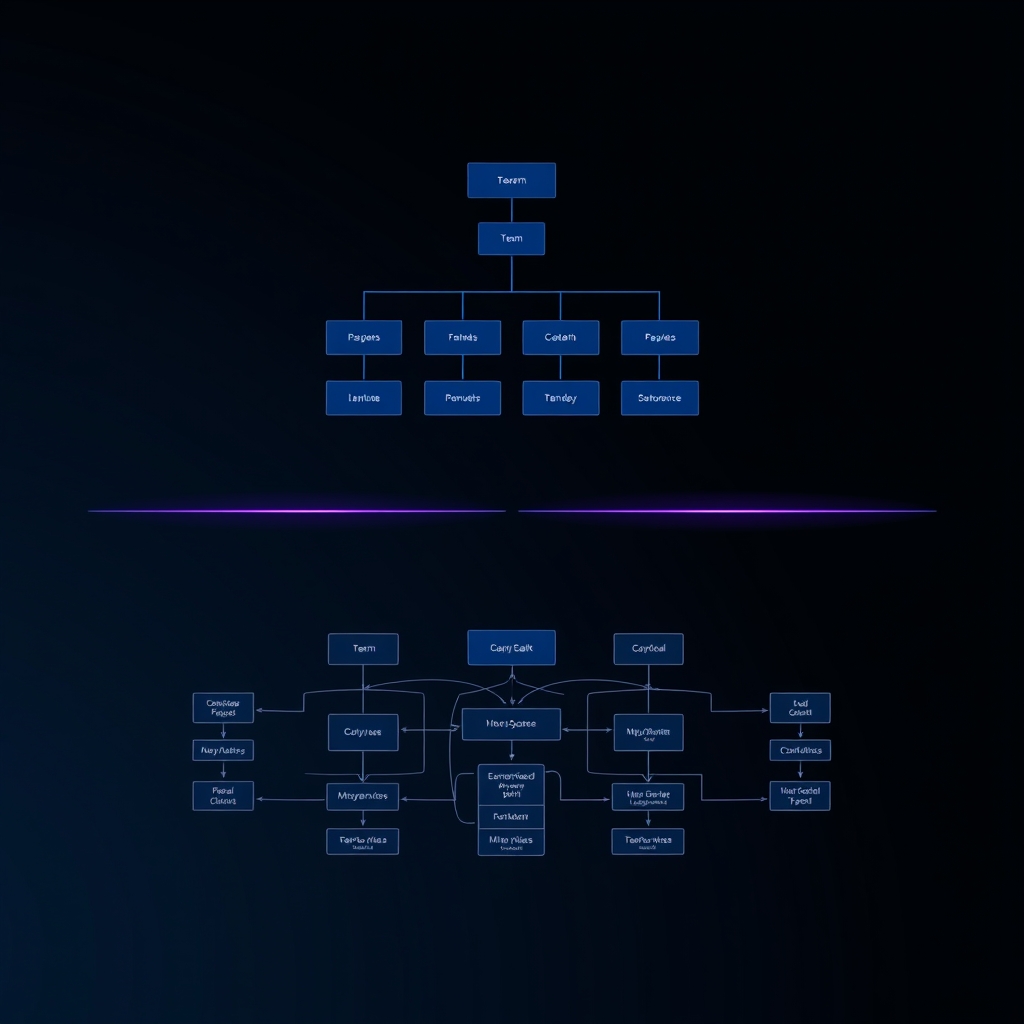
Your system architecture will mirror your org chart whether you plan for it or not. The teams that build great systems start by designing great organizational boundaries.
Putting YAML in a repository doesn't make you GitOps. True GitOps means reconciliation loops, drift detection, and the repository as the single source of truth — not just version-controlled config.
Manual compliance checks are security theater. If your compliance posture can't be expressed as code, tested in CI, and enforced automatically, it's just a spreadsheet someone updates quarterly.
Conflating deployment with release is the most common source of deployment anxiety. Separate them, and you get the ability to deploy fearlessly and release intentionally.
Zero trust isn't a product you buy. It's an architectural principle that assumes breach, verifies continuously, and grants the minimum access required. Most implementations miss the point entirely.
Dashboards and alerts tell you what's broken. Observability tells you why. Understanding the difference changes how you build and operate systems.
Kubernetes solves orchestration. It doesn't solve your architecture, your deployment strategy, or your operational maturity. Adopting it without these foundations just gives you orchestrated chaos.
If you're only load testing before launch, you're already behind. Performance characteristics should be understood, measured, and budgeted for as part of the design — not validated after the fact.
Exciting technology makes for great conference talks. Boring technology makes for great businesses. Here's why the most reliable systems are built on the least exciting tools.
Static runbooks decay the moment they're written. The answer isn't better documentation — it's automated remediation with human oversight.
Systems don't fail because they're poorly built. They fail because failure wasn't part of the design. Here's how to change that.